
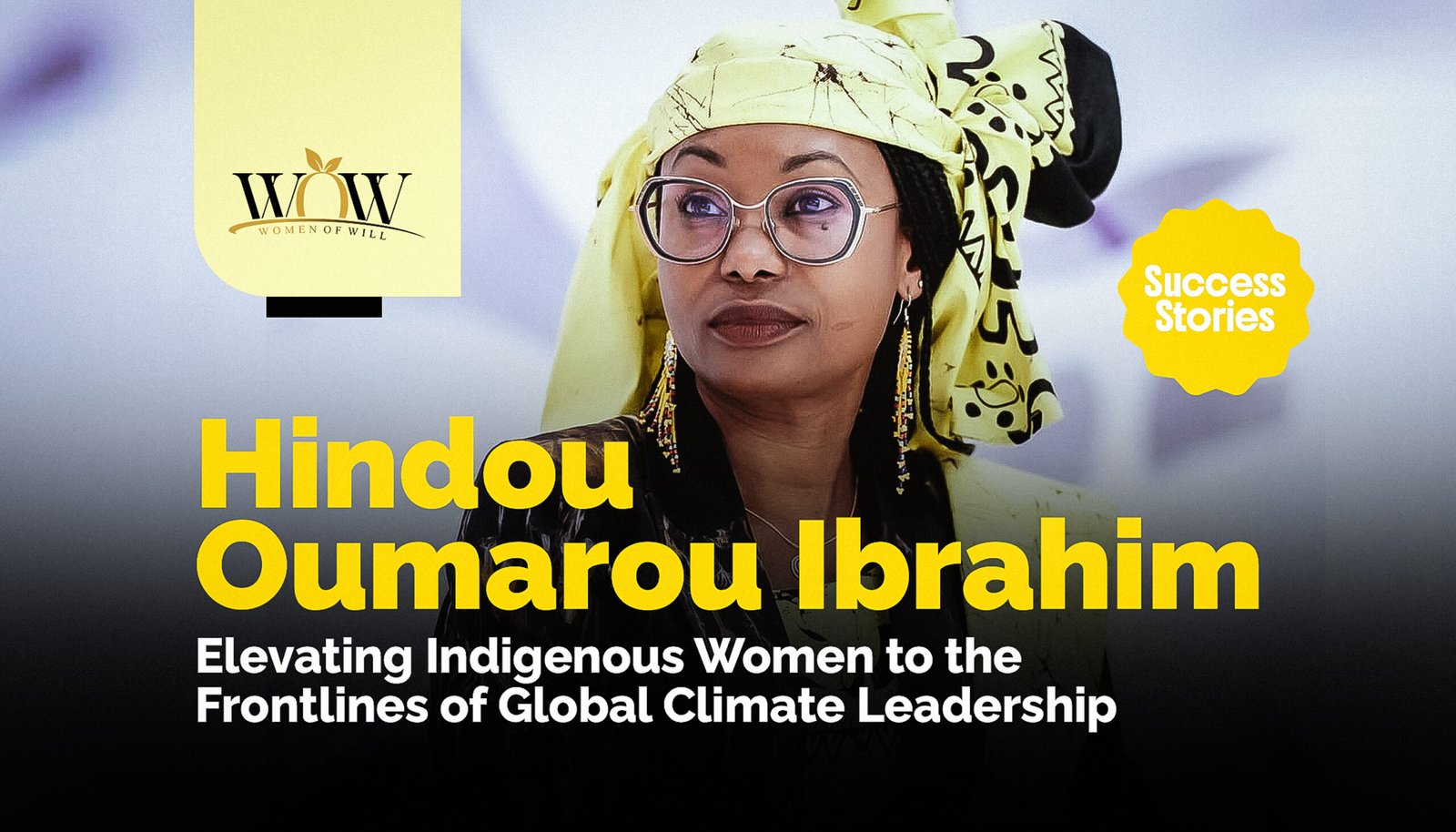
Hindou Oumarou Ibrahim is a powerful example of how local leadership can shape global change. From her beginnings as a member of the Mbororo pastoralist community in Chad, she turned personal experience of climate vulnerability and social exclusion into a lifelong mission of advocacy, innovation, and representation for Indigenous peoples.
At the heart of her journey is AFPAT (Association of Indigenous Women and Peoples of Chad), which she founded to empower Indigenous women and communities. Through AFPAT, she created platforms that combine traditional knowledge with modern tools, including pioneering 3D participatory mapping projects that help communities manage land, reduce resource conflicts, and adapt to climate change more effectively.
Her impact quickly moved from local to global. Hindou became one of the most visible Indigenous voices in international climate negotiations. She co-led the Indigenous Peoples Pavilion at multiple COP conferences, ensuring that Indigenous perspectives were not only present but central in discussions on climate justice and environmental policy. Her leadership at COP21 was especially historic, where she helped coordinate Indigenous participation and later represented civil society at the signing of the Paris Climate Agreement in 2016.
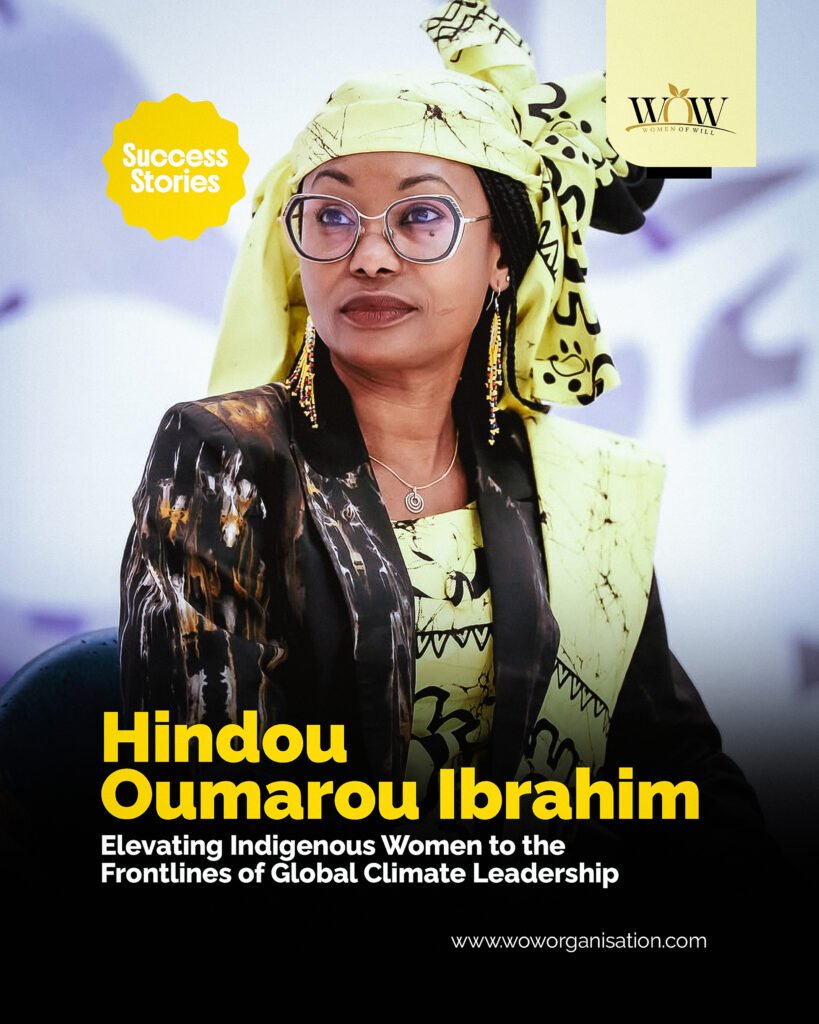
What sets her story apart is her core belief: that those closest to the climate crisis hold some of the most effective solutions. She has consistently argued that Indigenous knowledge systems are not alternatives to science, but essential partners in solving global environmental challenges. This philosophy has shaped her work in international forums, including the UN climate conventions and Indigenous rights platforms, where she advocates for land rights, climate adaptation, and the inclusion of Indigenous expertise in decision-making.
Over the years, her leadership has earned global recognition, including roles as a UN Sustainable Development Goals Advocate and fellowships with international environmental organizations. But her success story is not defined only by awards—it is defined by impact: bringing Indigenous women from the margins of global policy discussions to the frontlines of climate action.
Today, Hindou Oumarou Ibrahim stands as a symbol of community-driven leadership on the world stage—proof that solutions to global crises often begin with listening to those who have lived closest to them.
0 Comments